
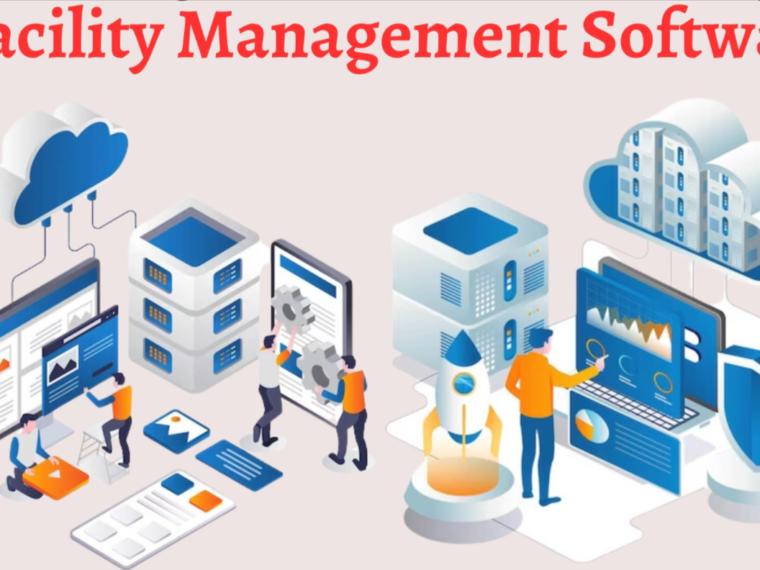
Managing a building is easier when the right systems are in place. Modern workplaces, homes, and public spaces depend on organised processes to stay clean, safe, and comfortable. As buildings become more complex, traditional methods like manual tracking or paper records no longer offer the efficiency needed. This is where digital solutions play an important role. Using facilities management software helps teams manage tasks, monitor spaces, and make informed decisions. Clear information allows staff to plan maintenance, track repairs, and understand how each area in a facility is used. Whether it is office flooring, communal areas, or high-traffic spaces, software brings everything together in one place. This creates a smoother workflow and supports better planning. Facilities become easier to manage, and teams spend less time searching for details. Good organisation helps buildings look better and perform better, which benefits everyone who uses the space.
Understanding What Facilities Management Software Does
Facilities management involves many tasks that must be completed on time. These can include monitoring floor conditions, arranging cleaning schedules, checking safety features, and planning repairs. When these responsibilities are handled manually, important details can be missed. Digital tools simplify the process by keeping information in one organised system. With facilities management software, teams can assign tasks, update progress, and monitor building conditions. This makes it clear what has been completed and what still needs attention. It also helps track long-term wear in areas such as floors, walkways, and shared spaces. Over time, these records help teams understand how different areas are used. This leads to better planning and more efficient maintenance choices. Instead of reacting to sudden issues, facilities teams can stay ahead with well-timed inspections and planned improvements. The result is a space that continues to look tidy, safe, and welcoming.
Creating a More Organised and Efficient Workspace
Good organisation is one of the most important parts of building management. A well-kept facility supports productivity and creates a positive environment for staff and visitors. Software helps centralise tasks such as cleaning schedules, safety checks, and maintenance updates. When all information is easy to access, teams work more confidently and complete tasks on time. This is especially helpful in areas that experience high foot traffic. Floors, entrances, and hallways need regular attention to maintain their appearance and safety. Digital tools provide reminders and clear instructions, reducing the chance of tasks being missed. They also support better planning by showing how often certain tasks are needed. Over time, this helps teams create realistic schedules that keep the building running smoothly. Organised spaces look better, last longer, and support a safe and comfortable experience for everyone.
Improving Maintenance and Preventing Disruptions
One of the main challenges in facility management is keeping equipment and spaces in good condition. Regular checks help prevent sudden breakdowns or costly repairs. With facilities management software, teams can record maintenance history and schedule routine tasks in advance. This prevents delays and ensures that important jobs are never overlooked. For example, floors in busy areas may need more frequent cleaning or inspection to stay safe and attractive. When the system provides reminders, teams can plan ahead and manage their time more effectively. Software also allows staff to report issues quickly. A simple digital update can alert the right team member, reducing the time needed to respond. This approach keeps daily operations running smoothly and reduces the risk of unexpected disruptions. Well-maintained spaces look better and create a more positive experience for everyone who uses them.
Supporting Smarter Long-Term Planning
Facilities management is not only about daily tasks; it also involves long-term planning. Buildings change over time, and understanding how different areas are used helps teams plan improvements. Digital tools help track trends, such as which areas experience the most wear or which tasks require the most time. This information supports better decisions about flooring upgrades, layout changes, or space management. For example, if a particular section of flooring requires frequent maintenance, the team may choose a more durable option during refurbishment. By using facilities management software, organisations gain a clearer view of how the building functions throughout the year. This leads to smarter investment choices and creates a more efficient environment. Long-term planning helps maintain quality, reduce waste, and ensure spaces continue to meet the needs of the people who use them.
Creating a Better Experience for Users
A well-managed building does more than save time and reduce effort. It improves the experience of everyone who walks through space. Clean floors, organised layouts, and well-maintained facilities contribute to a comfortable and welcoming environment. When digital tools support these tasks, the results become more consistent. Staff can focus on providing a high-quality experience rather than dealing with avoidable issues. Good management also supports safety by ensuring that inspections are carried out on time. This includes checking floor surfaces, lighting, and other essential features. With software to guide the process, tasks are completed more reliably. The building becomes easier to navigate and more enjoyable to use. This creates a positive impression and supports a smooth, professional environment.
Conclusion
Managing facilities with digital tools creates a more organised, efficient, and enjoyable environment. By using facilities management software, teams can track tasks, monitor conditions, and plan improvements with confidence. Clear information supports better choices and helps maintain attractive, safe, and functional spaces. With smart organisation and thoughtful planning, buildings continue to perform well and provide a positive experience for all users.